Can you teach yourself to fish?
Yes. You can teach yourself to fish with a beginner guide, a rod and a place to practice. Start with the water you can visit again, such as a pond with a public bank and room to cast. Learn which setup fits that water, then practice tying one connection and placing a short cast. Returning to the same spot gives you a chance to repeat those skills and see what improved.
YouTube, books and advice from local anglers can each help with a specific question. If you’re using them to learn on your own, keep an ordered list of skills and pick an exercise for each one. Fishing’s free online courses give you that order, a field activity and feedback after each lesson. You can still use a video to see how a particular knot or cast looks in motion.
How to start fishing with a beginner practice plan
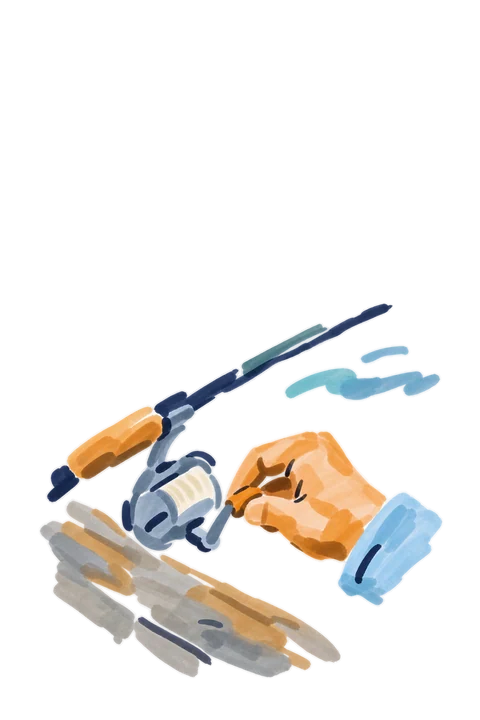
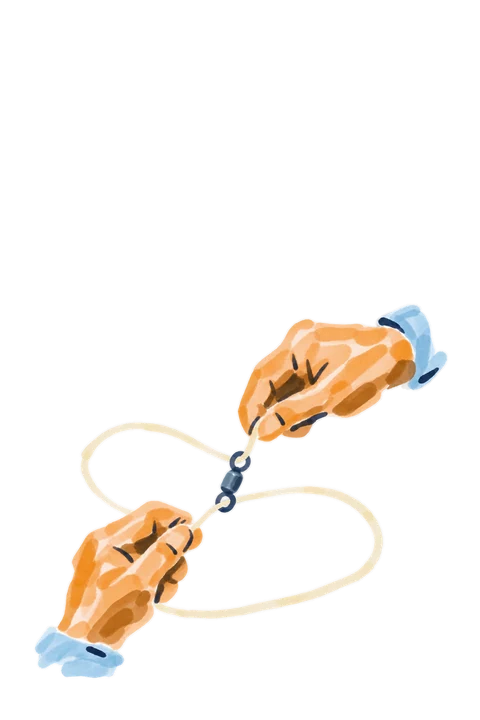
Build your first week around a single trip. Start by choosing the water and checking access, opening hours and the rules for the method you intend to use. Next, lay out a rod, reel, line and the few pieces of tackle needed for one setup. Read the rod’s weight range and make sure the assembled rig fits it. Tie the connection you will use and inspect how the knot seats.
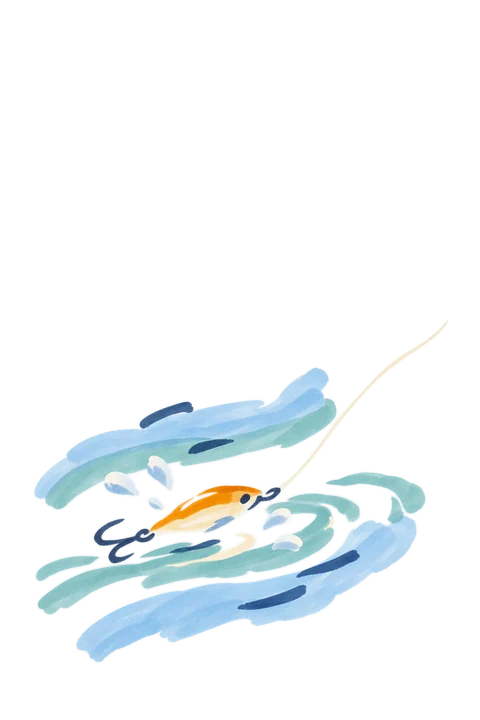
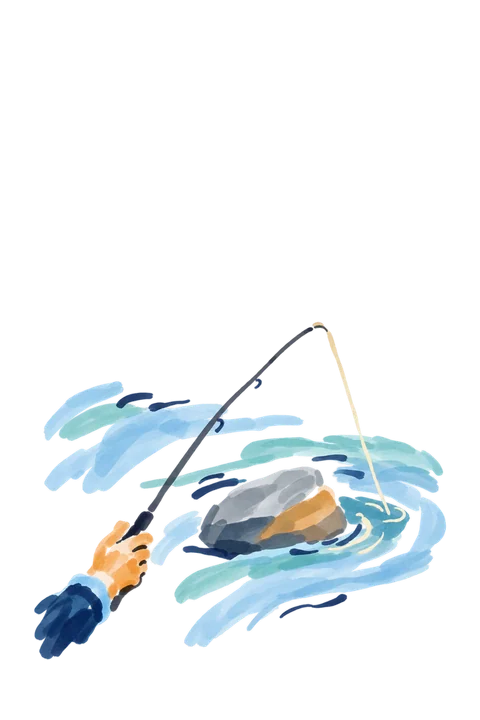
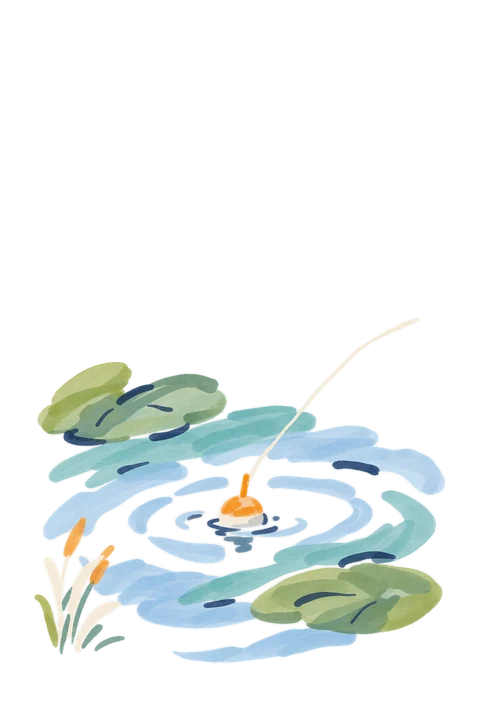
On a second day, put the rod together again and practice casting a hookless plug in an open area. Before your trip, choose where you want the bait or lure to travel and what you’ll watch on the first few casts. At a still pond, that might be whether a float stays just outside the plants. On a river, it might be how quickly the line starts to pull the bait across the flow.
Fishing arranges those skills into 24 lessons per path, with eight shared foundations followed by sixteen lessons for the water you choose. If you’re coming back after a break, use the basics to check which skills still feel familiar. Then start applying them to the conditions you fish now.
How to practice casting before your first fishing trip
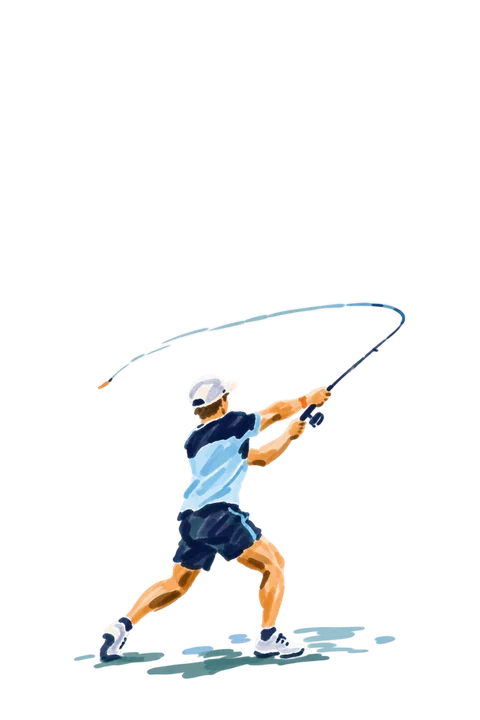
Choose a casting demonstration for the reel you own. In an open space with a clear casting arc, lay a towel on the ground and use a hookless practice plug within your rod’s weight range. Stand close enough to make an easy cast. Make five attempts with the same aim and record where each one lands. A tight group left of the towel tells you something different from five casts scattered in every direction.
Adjust one part of the movement and repeat the drill from the same position. For example, narrow your aim to the center of the towel if your casts are consistently off to one side. Compare the new group with the first. Try the same distance again when you return the next day to see which movement you can reproduce before you move the target farther away.
In Fishing, the field activity gives you the practice and the questions help you explain the result. If you’re learning from a video, say out loud which change moved the group and what you’ll repeat at the water.
How to choose fishing videos and guides
Search for a skill with the setup and water in the same query. A video on casting a spinning reel from a pond bank is easier to put into practice when that is the reel and water you have. Look for a demonstration that shows the whole motion and explains what the angler checks after the cast. Save the part you want to try and write down what you expect to see.
Keep local advice attached to the conditions it describes. A river float tutorial may show a useful way to manage slack, while the depth and weight it uses depend on the flow and the place. On a calm pond, watch whether your own float settles and where your bait hangs before borrowing that setup. Use a regional field guide to identify fish and check the responsible authority for local access and rules.
A Fishing lesson gives you references beside a task. That makes it easier to see which parts of the guidance you can try with the tackle and water you already have.
What to practice on your first fishing trip
Plan one task you can complete even if you don’t catch a fish. At an accessible bank, pick a short casting lane with room to bring your line back. Look for a visible reference such as the end of a weed edge. Decide where you want your bait to settle or your lure to travel. After a few casts, compare that path with the one you expected.
If wind keeps moving your float out of the area, try a shorter cast from the same position and observe the difference. If a lure catches vegetation, try bringing it along the open side of the edge. Record the change so you can decide what to repeat. Keep your unhooking tools close and know where you would bring a fish to hand before your first cast.
A good first trip gives you a better idea of where to stand, what your setup does and which skill to practice next. Use the first-trip exercises to choose a task suited to the water you can reach.
Track your fishing practice between trips
Keep one line in your notebook for the skill, one for what happened and one for what to try next. You might write that a shorter cast kept your float beside the weeds because less loose line was exposed to the wind. Include the position and setup, then repeat the cast at the same spot when conditions allow. The note gives you a useful comparison even on a day with no catches.
If you’re teaching yourself, mark which guide you used and which exercise you could repeat without looking at it. For a course, check the lesson feedback and revisit an answer where you were unsure. Your Fishing account saves completed lessons. Your trip notes can record details from the bank that help you decide when to repeat a specific exercise.
Try the public quiz to see how you would handle a casting lane, a change in float depth or a decision about a tide. Read the explanation and turn one answer into a question to test at the water.
What you need for free fishing lessons and practice
You can start learning with a public video, a library guide and a basic setup that fits your first water. If you need to borrow a rod, look for a tackle loaner program at a library, state agency or wildlife refuge. The U.S. Fish & Wildlife Service’s first-time fishing guide lists these as places to ask. Check which pieces come with the rod and whether the line and reel are already set up.
For the first outing, set aside what you need for access or a license where required, then choose one affordable rig you can replace or repair. Practice assembling it with the gear you have. Check the applicable rules with the agency for your water. All four Fishing courses include the lessons, field exercises and practice feedback for free, and the public quiz is available before you create an account.
Teaching yourself to fish or taking an online course
Self-study is a good fit if you already have a nearby spot and can decide what to work on next. Find one trustworthy demonstration, schedule a session and write down how you’ll check the result. Build an ordered list as you go so you can return to knots, casting or bait depth without looking for a whole new guide each time.
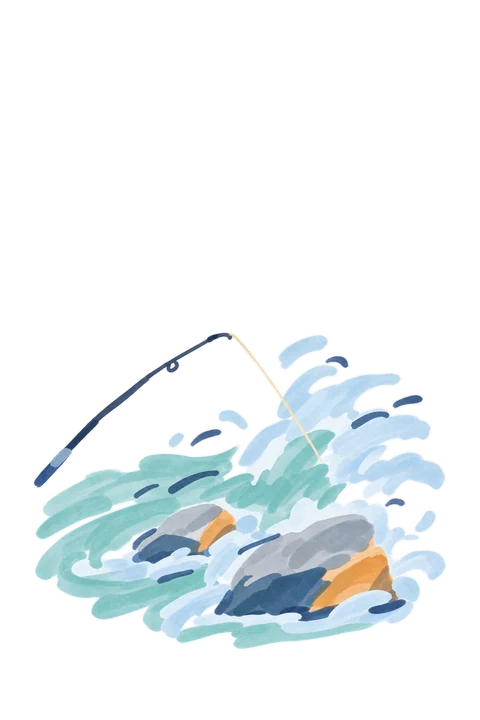
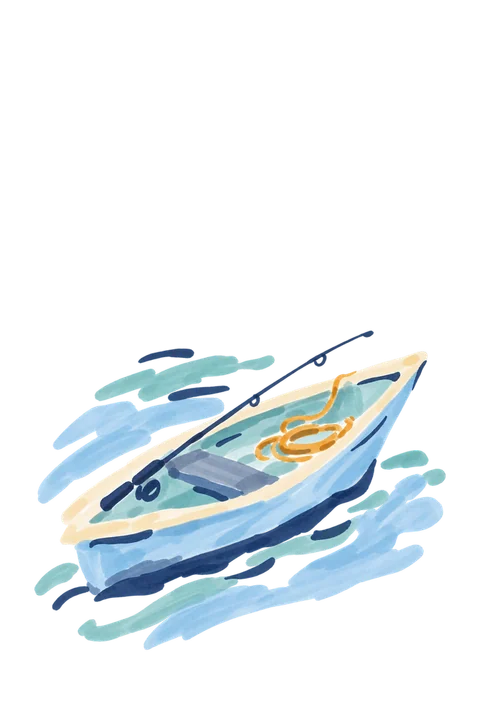
Choose a Fishing course if you want the lesson order and a regular way to test your understanding. Start with Freshwater for a pond, river or lake, or Saltwater Shore for a beach or pier. Inshore Boat covers bays and estuaries, and Offshore Boat covers open-water preparation. Pick the setting for your next trip and use your favorite videos when you need to see a movement demonstrated.