 Take Me Fishing
Is Take Me Fishing a good place to learn how to fish?
Take Me Fishing, a public resource from the Recreational Boating & Fishing Foundation, is a good starting point for questions such as where to get a US fishing license and what gear a beginner needs. Its how-to guides cover tackle, casting and fish handling. It also publishes videos and a quick guide for getting ready to fish a lake or pond.
Fishing is a free online learning platform for the same first trip and the skills you’ll use afterward. Choose the water you expect to fish. Each course takes you through a common foundation, then gives you exercises for that setting. A beginner can read about casting in a guide, rehearse with a hookless plug and use the lesson feedback before bringing the rod to the water.
Check where you can fish and which rules apply
Use the Take Me Fishing state lookup if your trip is in the US. Find the agency responsible for the water you plan to fish, then check the rules for your date, location and intended method. Write down any license requirement and the rules for bait, hooks and keeping fish that apply to you. For a trip outside the US, start with the authority responsible for the water there.
The Places to Fish & Boat Map can help you find nearby waters and potential access. Once you have a location, confirm that you can use the bank and check posted hours. Then choose a position with room for a backswing and a place you could land a fish. Those are distinct jobs you can practice before you ever tie on a hook.
What do you need for your first fishing trip?
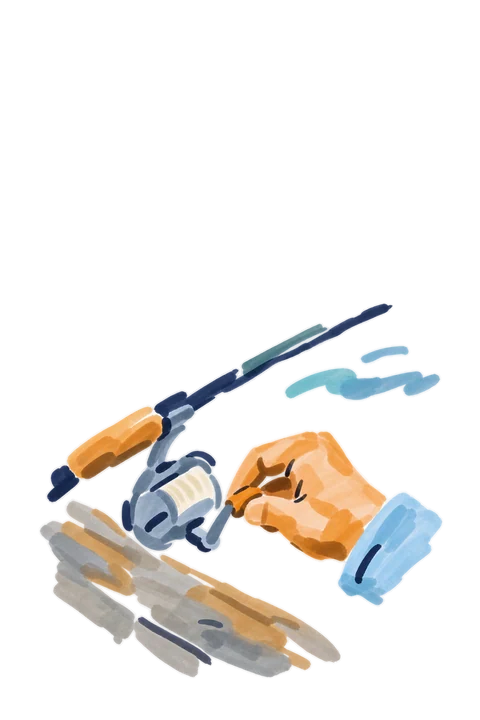
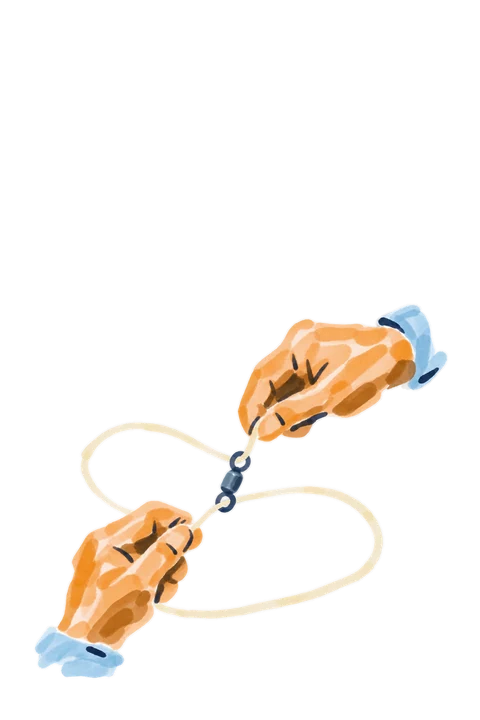
Start with the rod and reel you have access to and one simple setup for the water. For a calm pond where bait fishing is allowed, a float rig gives you a presentation you can watch. Lay out your line, hook, float, weight and allowed bait. Read the rod label, compare the total load with its range and put the tools you’ll need to handle a catch together.
A beginner guide can show how the pieces fit. Take the next step by touching each part and saying what it does. The float holds the bait at a starting depth and gives you something to watch. The weight helps the rig settle. If the float never settles, look at the balance and line path before moving on. Choose one adjustment you could make after the first few casts.
Learn to cast before you get to the water
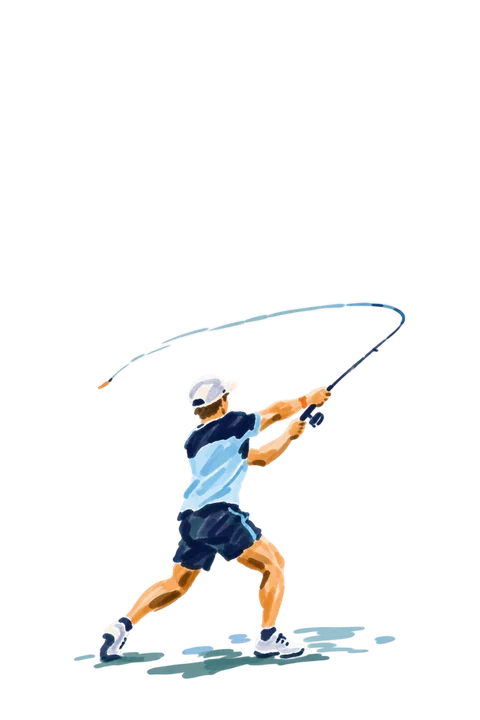
Use a casting video to see the movement, then practice in an open area with a hookless plug in your rod’s casting range. Place a towel a short distance away and make five casts from the same place. Keep the space behind and beside you clear. Mark which casts landed left, right, short or long. A repeatable group gives you a concrete starting point.
For the next five casts, change just one motion or where you aim. Compare the new pattern with the first. If the new group is tighter, repeat it once before you move the target. At the pond, start with a reachable patch of open water where you can begin with the same controlled movement. The course questions help you decide what to do when the result changes.
How to choose bait for beginner freshwater fishing
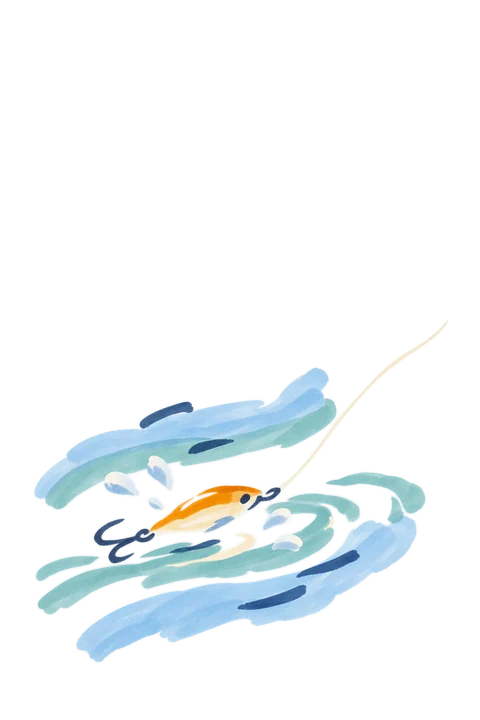
Use Take Me Fishing’s bait guides to learn which options fit the species and water you’re planning to fish. Check which baits the local rules allow. For a first visit to a calm pond with sunfish, a small piece of permitted natural bait under a float can be an easy setup to observe. Pick a size you can rig with the hook and tackle you have. If you choose a lure, decide how you’ll retrieve it and what you expect it to do near cover.
Try one choice long enough to see how it behaves. Start along an open edge and watch the float or line after the cast. If the setup comes back with weeds, move the float a little closer to the hook and check the same lane. If your lure runs through the edge at the wrong depth, try a slightly different retrieve along the same path. The Freshwater lessons help you connect the bait you chose to what you can actually see in the water.
Make a simple plan for your first fishing session
Choose a short stretch of accessible bank and a visible target within a comfortable cast. Before setting up, watch how wind moves the surface and see where you could bring a fish in. For a float setup, work out where the bait should hang. After the first few casts, see whether the float settles and whether wind or current moves the line out of the space you chose.
Decide what you’ll try if the first setup drifts away or touches weeds. You might shorten the cast, adjust the float depth or move to a nearby open lane. Keep the change small enough to see what it did. A good first session can end with you able to repeat a cast and explain where your bait traveled. Write one observation before you leave.
Get release tools ready before the first cast
Pick a place to bring a fish within reach before you cast. Keep your line cutter and pliers where you can reach them easily. In Fishing’s release exercise, set the tools out in the order you’d use them and rehearse with an empty net. You’ll see if the bag or another rod is in the way while you still have time to move it.
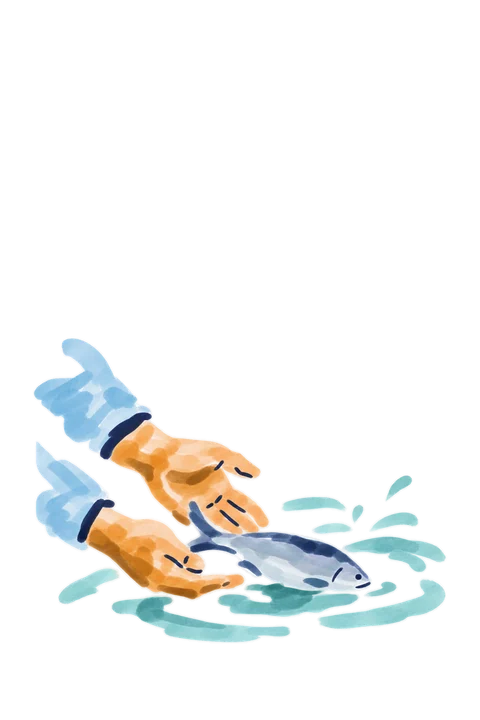
Check local and species-specific handling guidance for the fish you might encounter. If you plan to release a fish, keep it in the water when practical and use wet hands if a brief lift is necessary. The beginner articles can help you look up how to handle a catch. The exercise helps you work out where everything should be when it happens.
Choose a free online fishing course for your next trip
After your first trip, read your note and pick a skill to work on again. If the line kept dragging a float sideways, use Freshwater to practice how the bait and float move in current. If you’re moving from a pond to a pier, choose Saltwater Shore to work on tide and casting lane decisions. The boat courses cover bays and estuaries or open water.
Take Me Fishing is useful whenever you need to check a state resource or look up a beginner topic. A Fishing course puts those decisions into 24 lessons for one environment. Each lesson includes field notes, an activity, links to sources and three questions with explanations. You can try the public Freshwater quiz first and create an account when you want your course progress saved.